September 17 is known as World Patient Safety Day. Whether you’re a healthcare professional, caregiver, or patient, you play a significant role in protecting a patient’s health and life. Let’s learn about four essential safety measures every healthcare professional, patient, or caregiver can follow.
Why Patient Safety Measures are Important
Utilizing the right safety measures is vital in all areas of the medical industry. Whether you’re a patient, doctor, nurse, caregiver, or health worker, you can do your part in following all necessary safety protocols. Patient safety precautions help reduce accidental injuries and complications in hospital patients. Healthcare professionals play an important role in exercising these precautions by keeping their healthcare facility clean and organized. They must prevent complications by communicating effectively with their medical colleagues and working well as a team.
Patients and caregivers also play a significant role in exercising patient safety measures. They must follow the right protocols to reduce accidents, illnesses, or serious complications. If a patient takes their prescribed medication as instructed, they lower their chances of accidental overdoses. Caregivers who are able to administer medications follow patient safety measures by following the instructions needed to give them to the patient.
Essential Safety Measures for Patients
There are several outlined safety measures every healthcare worker must follow when trying to protect their patients. Being safe in a hospital is not only vital for the patient’s health, but it’s important for the healthcare worker’s health. Here are some important safety measures that will benefit patients, healthcare professionals, and caregivers.
Follow your Healthcare Provider’s Instructions
When a healthcare provider prescribes medication to a patient, it’s important that the patient adheres to the instructions for taking it. Some healthcare providers also may share some recovery instructions with a patient, such as recommended tips for recovering from an illness. If certain instructions are confusing and uncomfortable for the patient, it is their responsibility to ask their healthcare provider questions. They must also keep up with their follow-up appointments and recommended screenings.
Prevent Falls and Other Injuries
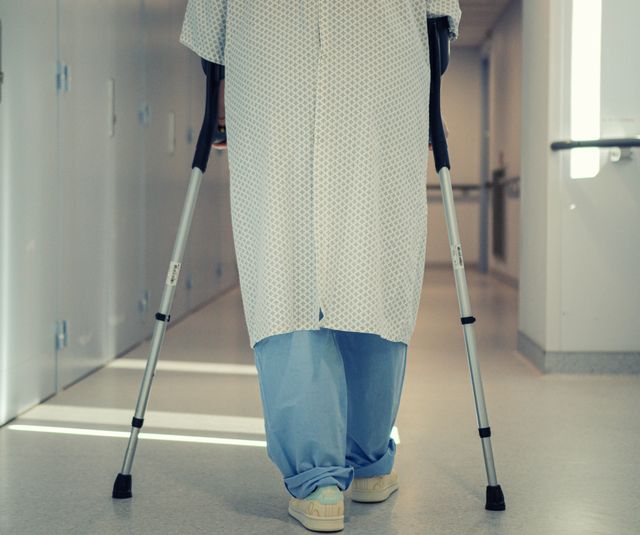
Unexpected falls and other injuries can happen at a hospital, medical center, or even at a person’s home. That’s why it’s vital that a provider or a caregiver be proactive in keeping the patient’s environment clutter-free. Many older patients have suffered traumatic brain injuries and other physical injuries due to the environment not being very safe. You may want to consider additional fall-prevention measures for older or mobility-limited patients.
Keep an Updated Medication List
It’s vital that medical professionals stay up-to-date with their patients’ prescribed medications. They should also communicate with their patients the detailed instructions on how they should take them and how often they should take them each day. Patients must ask questions about any side effects they must know about regarding what they’re prescribed. Keeping the lines of communication clear between the healthcare professional and the patient reduces confusion and potential accidental overdoses.
Practice Good Infection Prevention
The number one way to keep a patient safe is to sanitize at all times. It’s always important that every healthcare worker wash their hands regularly at any facility. This is effective in controlling any risks of infection coming into a medical facility. All healthcare professionals must also keep their medical equipment properly sterilized and disinfected. In every medical facility, guidelines are given to control infection, and it is required that every worker follows them.
Importance of Keeping Patients Safe in Medical Facilities
Keeping patients safe is one of the most important aspects of a medical professional’s job. It is considered a shared responsibility between them, the patient, and the caregiver. Remember that small precautions can reduce preventable injuries and complications. It’s vital that patients keep the lines of communication strong with their healthcare team and caregivers. Here’s a takeaway you should know on this World Patient Safety Day: Understanding and following appropriate safety measures for patients can make treatment and recovery safer.
If you’re a healthcare professional, what safety measures are important to you in protecting your patients? Feel free to share your thoughts in the comments section below. As always, be sure to like or share this post with the next healthcare worker you know.