Can you believe that a record of 50 million people have a digital record of their menstrual cycle on their phones? Yes, period tracker apps have become a huge part of the resurgence of health technology. Some of these apps are free, and some aren’t. But how accurate are period tracker apps in calculating your menstrual cycle? Let’s learn a bit more about what they are, how they work, and the level of accuracy they offer.
What are Period Tracker Apps and How do They Work?
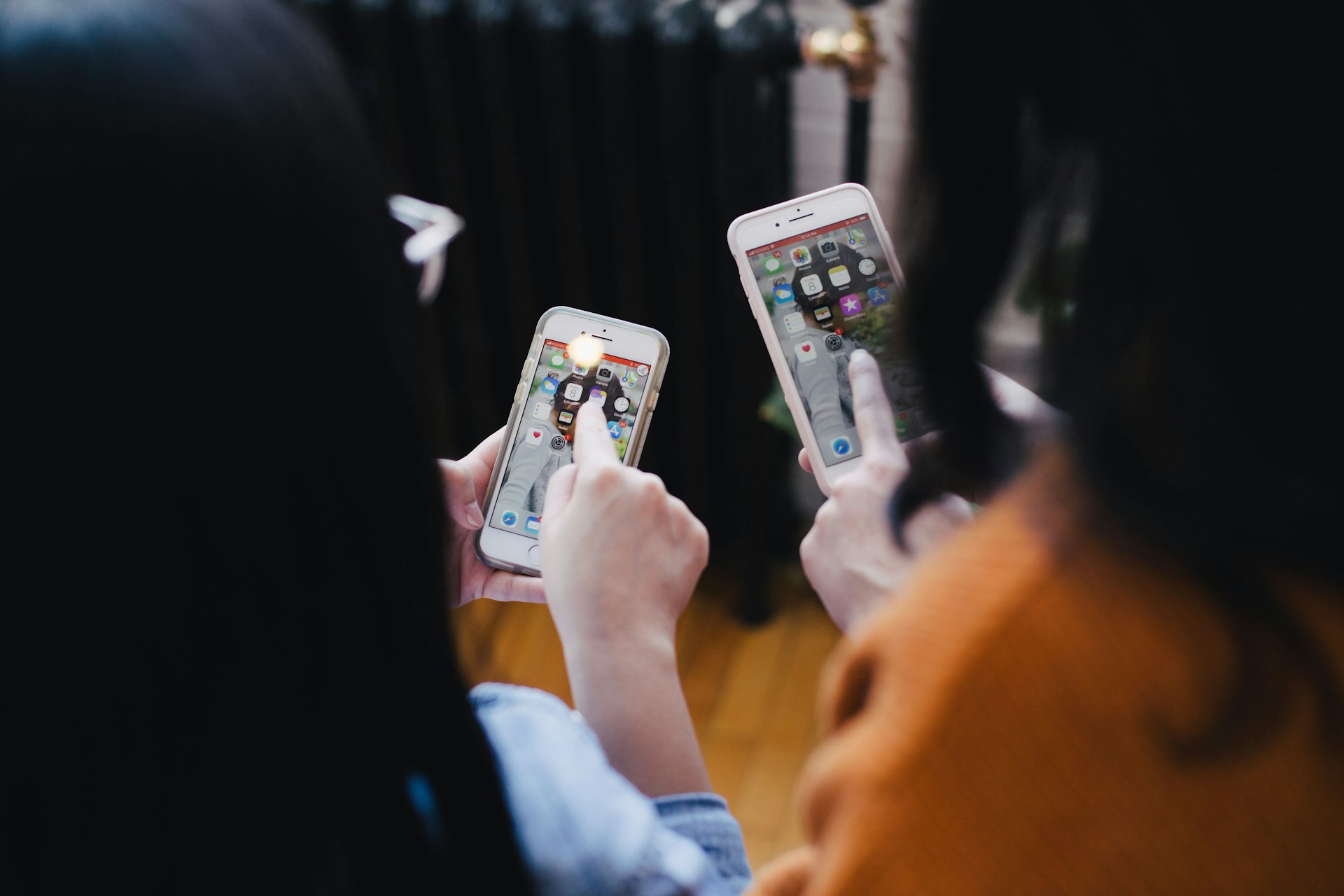
Period tracker apps have been a huge part of a growing industry called female technology, or “femtech.” This industry is built around software, products, and more tools that use technology to improve women’s health. These apps are designed to make it easier for women to keep track of how often their monthly menstrual periods happen and how long they normally last. Period tracker apps also allow their users to enter in their symptoms such as fatigue, cramps, their mood, period start and end dates, energy levels, and other health-related information. Some of the most popular period tracker apps that have been on the market include Flo, Clue, Apple Health, etc. I have started using a pre-installed app on my phone called Samsung Health, which comes with all types of health-related features, including period tracking.
How These Apps Use Algorithms to Make Predictions
Besides asking you to enter your period information, these apps also make predictions about when your next period, fertile window, or ovulation period will occur. Most of these apps typically use an algorithm to calculate this information once you report your period dates, mood, symptoms, etc. Some apps rely on the length of your previous menstrual cycles to calculate predictions. Others use biometric data such as daily body temperature, cervical mucous consistency, or hormone levels in the urine. However, many apps don’t include this data in their algorithms. Most of them aren’t transparent in how they come up with these predictions and whether they’re applicable to certain users or not.
How Really Accurate Are They?
Some people have their skepticism about how accurate they are. There have been a few studies, including one from a 2021 journal article in Human Reproduction. Five women participated in this study and entered their profiles for six menstrual cycles within ten period tracking apps. What was found out within this study is that each of these apps, all of them considered to be in the top ten, provided conflicting information on period dates, ovulation day, and the fertile window.
Another study published in March 2024 examined the experiences of users of period tracking apps. It showed that the infrequency of data inputting and a wide range of symptoms mirror the differing needs of participants from their period tracking apps. Researchers also feel that there is a need for increased education and research in understanding the realities of variations in using these apps. This shows user education plays a significant role in not only interpreting results, but also the level of accuracy of period tracking apps.
Factors That Can Affect Accuracy
Along with how often you enter your period information, there are various factors that could affect your app’s accuracy. Some things to take into account are irregular cycles due to hormonal imbalances, any lifestyle changes that have happened to you, such as diet changes, traveling more, etc., or if any medications or contraceptives have been taken. Other various factors, such as pregnancy or menopause, could make it harder for apps to accurately predict future periods.
However, there are a few tips you can take to improve the accuracy of your period tracking app. Be sure to enter your data regularly. Also, update any settings when you start to experience a health change. Log all of your symptoms to gain better insight. Consider using apps that offer AI or learning algorithms. All of these things play a role in improving your user experience with your app.
Why Using a Period Tracker App Could be Helpful
Although they may have their ups and downs, period tracker apps can be helpful in staying up-to-date about your overall health as long as you use them carefully. You do come to learn more clearly the usual length of your cycle and how often you have it. However, be sure to get your questions answered concerning how they’re using your personal health data before choosing an app. Use privacy controls, consider a password manager, or continue to update your app to lower the risk of your information being shared with any source. Once you come to understand better how these apps calculate your cycle, this will enable you to use them smartly.
What do you think of period tracking apps? Do you use one, and if so, how accurate is it in keeping track of your cycle? Share your thoughts about them if you like in the comments section below. As always, be sure to like or share this post with the next woman you know.