Many people have been experiencing digestive discomfort or signs of conditions such as irritable bowel syndrome (IBS). Because of this, many diets designed to relieve people of these symptoms have become popular. One in particular has been the FODMAP diet. What exactly is the FODMAP diet, and what are its benefits? We’ll answer this question in this blog post, along with sharing what foods are safe to eat and what foods you should avoid on this diet.
What is the FODMAP Diet?
In order to learn more about what the FODMAP diet is, let’s first find out what exactly it means. The acronym FODMAP stands for fermentable oligosaccharides, disaccharides, monosaccharides, and polyols. All of these are a certain class of short-chain carbohydrates that are hard for people to digest. FODMAPs are difficult to digest because they can’t be broken down and absorbed within the small intestine. Because of this, your small intestine draws in extra water to help move the FODMAPs to your large intestine.
Some people experience digestive distress after eating foods that are high in FODMAPs. That’s why a lot of people have been putting themselves on this elimination diet called low FODMAP. This diet involves three steps. The first one is when you stop eating certain high FODMAP foods. Secondly, you slowly reintroduce them to see which ones are troublesome to your gut. Lastly, once you found out which foods are causing the most trouble, you can avoid or limit them while enjoying everything else.
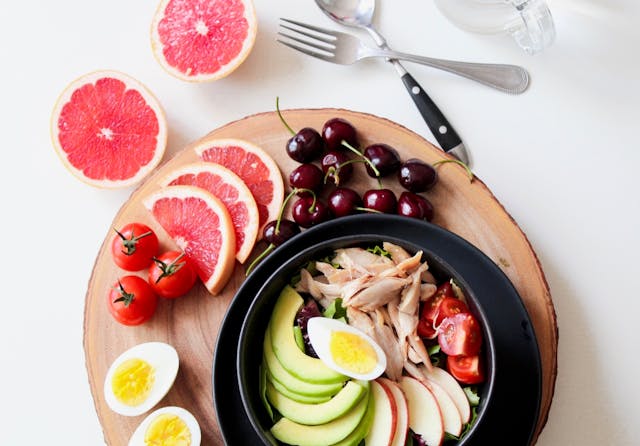
4 Foods to Eat on a Low FODMAP Diet
Now that we know a little bit about what a low FODMAP diet looks like, let’s examine the specific types of foods we can eat. Let’s look at the best fruits, vegetables, protein and animal products, and grains and carbs under this diet.
Low FODMAP Fruits
The main FODMAPs found in fruit are sorbitol and excess fructose. In order to be on a low FODMAP diet, be sure to look for fruits low in excess fructose and not rich in sorbitol. Some examples include unripe bananas, blueberries, strawberries, oranges, and kiwi. Grapes and pineapples are also good examples of fruits with low FODMAP.
Low FODMAP Vegetables
When looking for low FODMAP veggies, look for ones that are not very rich in fructans and mannitol. Some good ones to look for are carrots, zucchini, eggplant, cucumbers, spinach, bell peppers, tomatoes, and potatoes. There are some recipes you can find with these delicious and versatile vegetables.
Proteins and Animal Products
As for proteins and animal products, meats, poultry, and fish are naturally free of FODMAPs. However, beware of processed and marinated meats because they may contain high FODMAP ingredients. Look for plain cooked meats, seafood, eggs, and poultry. Also, plant-based protein options, such as firm tofu, are good to eat in moderation.
Grains and Carbohydrates
When looking for grains and carbs that are low in FODMAPs, look for ones that are low in fructans. Rice, quinoa, oats, gluten-free bread, and pasta are good examples of foods in this category that are low FODMAP foods.
4 Foods to Avoid on a Low FODMAP Diet
Now that we know about foods that we can eat and are considered to be low FODMAP, let’s learn more about foods we must avoid. These foods are considered to be high FODMAP and can trigger symptoms of IBS. People with sensitive guts could experience a level of indigestion that could impact their lives.
High FODMAP Fruits
These types of fruits are high in sorbitol and excess fructose. Some examples to look out for are apples, pears, mangoes, cherries, figs, dried fruit, watermelon, peaches, and plums, to name a few. Excess fructose could pull water into the gut.
High FODMAP Veggies
Veggies that are high in FODMAPs contain high fructans, which create gas and mannitol. Some vegetables that you must avoid are garlic, artichokes, leeks, onions, and spring onions. Mushrooms and celery are veggies rich in mannitol.
High FODMAP Dairy
Lactose is the main FODMAP in dairy foods. Some examples of these types of foods include soft cheeses, regular milk, and ice cream. Sweetened condensed milk and yogurt are additional examples of dairy foods high in lactose.
Wheat-based and Processed Foods
When it comes to High FODMAP wheat-based and processed foods, breads, pastas, and cereals with wheat. Wheat, rye, and barley-based breads are ones that are considered to be rich in fructans. As for processed foods, be sure to avoid packaged foods with hidden FODMAP ingredients.
How to Reintroduce Foods Safely
The low FODMAP diet is composed of three phases- an elimination phase, a reintroduction phase, and a maintenance phase customized for you. The elimination phase consisted of avoiding the high FODMAP foods. But with the reintroduction phase, which begins after two to four weeks, you’re systematically adding foods back in. There’s a way you can do this in a safe manner. Consider tracking any symptoms of IBS or any other digestive problems when adding these new foods. Once you start identifying the reintroduced foods that are causing these symptoms, you can start avoiding or limiting these foods. It’s also good to consult a dietitian when starting to experience severe symptoms.